A rotorless rubber rheometer to analyze the viscoelastic propertiesof elastomers and rubber compounds. It measures material behavior under various conditions, aiding in quality control, product development, and process optimization.

A rotorless rubber rheometer to analyze the viscoelastic propertiesof elastomers and rubber compounds. It measures material behavior under various conditions, aiding in quality control, product development, and process optimization.
Pure polymers, polymer blends, uncured rubber compounds, in-situ compounds, thermoplastics, liquid silicone rubber (LSR), Thermoplastic Elastomers (TPE), recovered carbon black (rCB) compounds
Sample volume for each test: 4.5cm³ Max. heating rate: 1.33°C/s (80°C/min) Measurements: 800 x 620 x 2000 mm
Since 1996, Bareiss Prüfgerätebau GmbH has been recognized as a DAkkS-accredited calibration laboratory, standing for the highest quality and precision. Our calibrations comply with international standards according to DIN EN ISO/IEC 17025:2018, ensuring reliable and internationally comparable measurement results. Take advantage of our service offerings: Calibrations meeting the highest requirements and global standards. We automatically remind you of your next calibration. Accredited calibration including maintenance and repair at a fixed price. Everything from a single source. Trust Bareiss for reliable calibrations and accurate measurement results. Benefit from our experience as a manufacturer and accredited calibration laboratory.
Now, proudly Serving the United States, Canada, Mexico and South America! +1-888-570-5577 info@bareiss-testing.com Available Products
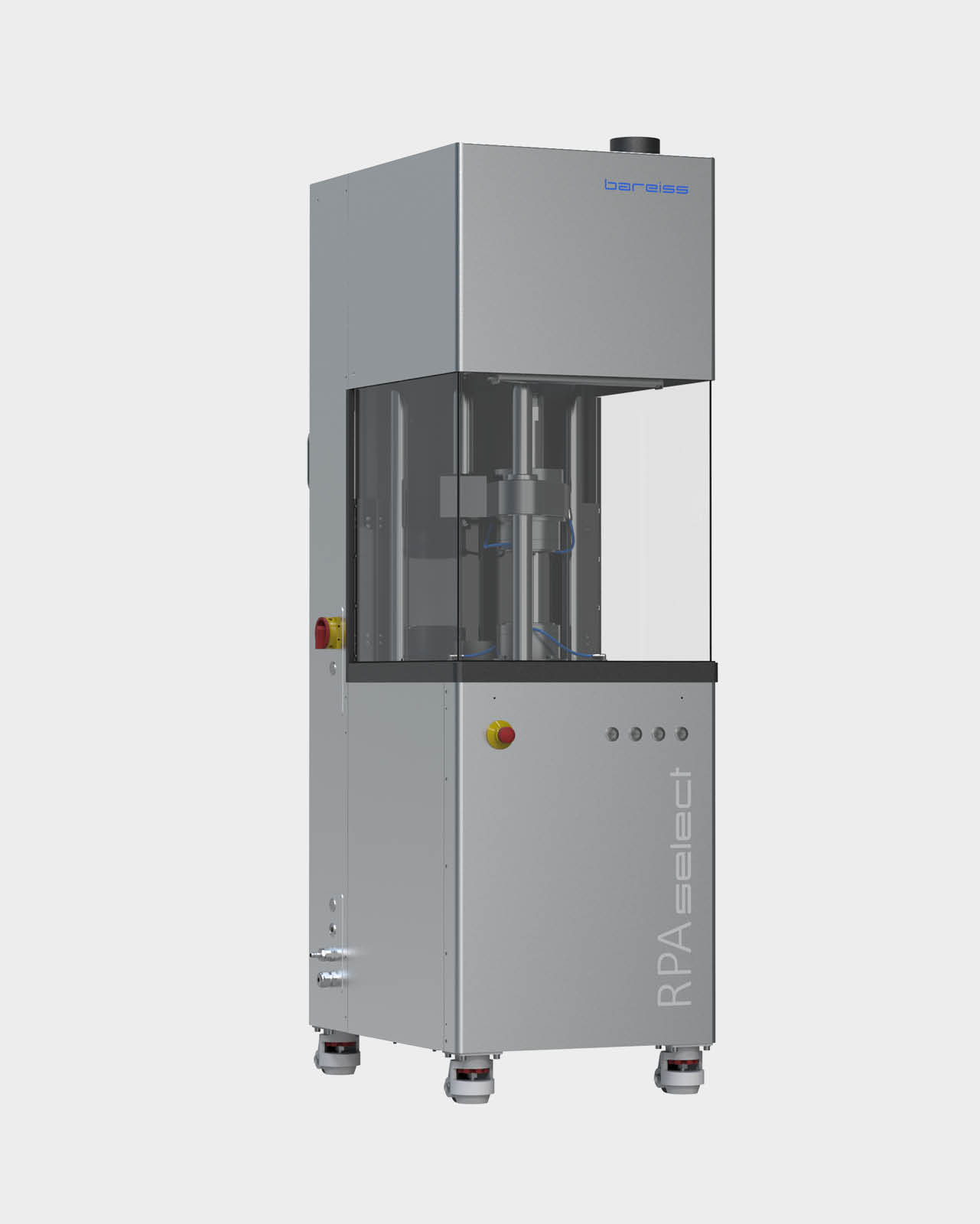
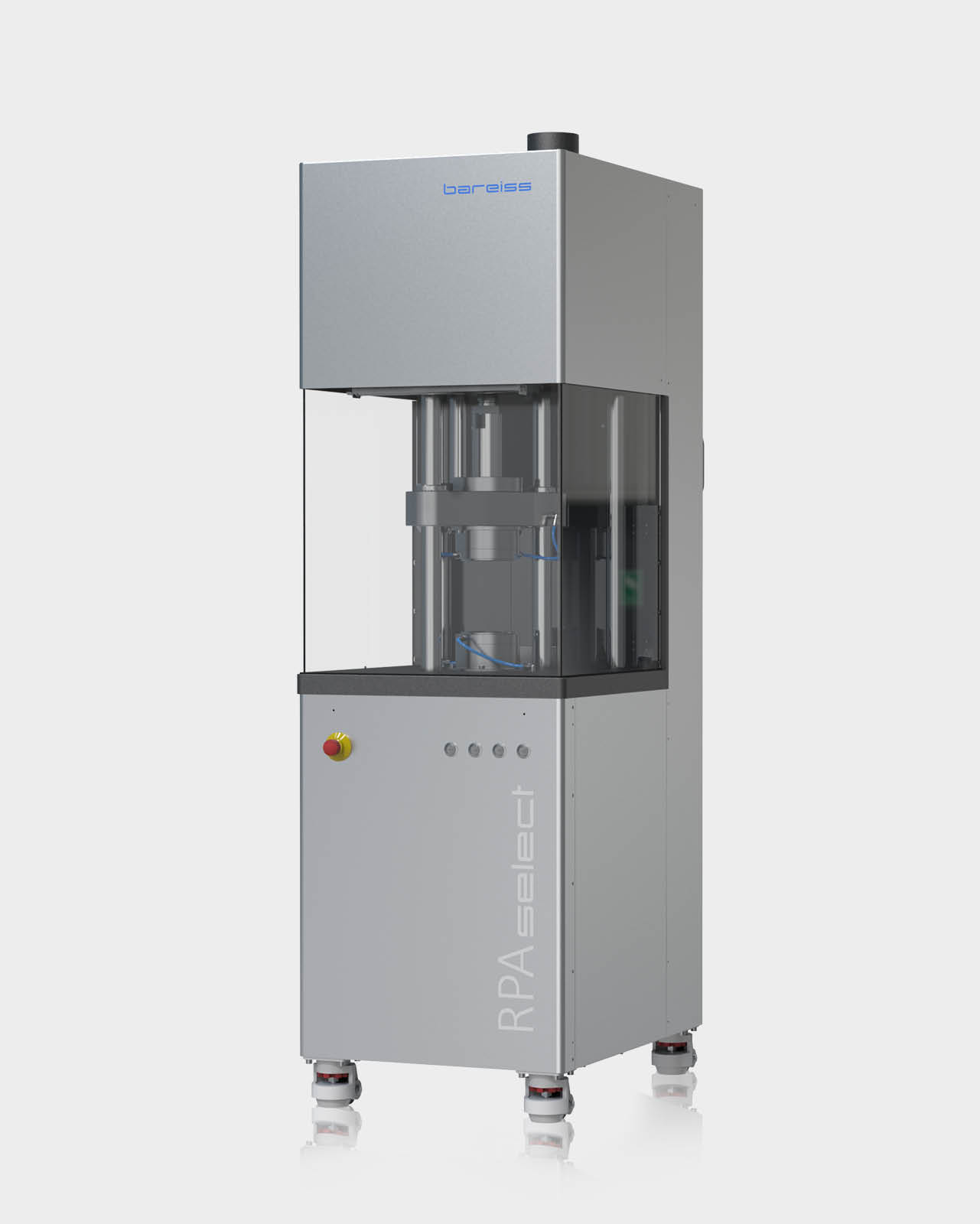
Introducing the RPA select, Bareiss’s versatile and reliable rubber process analyzer designed for laboratories and manufacturers seeking high-quality elastomer testing with future scalability. – Comprehensive rubber compound analysis The RPA select offers accurate measurement of viscoelastic properties, curing characteristics, and processability of rubber compounds. Perfect for quality control, product development, and research applications, the RPA select provides essential data for optimizing rubber formulations and processing parameters. Upgrade Path: Invest in the RPA select today for immediate high-quality rubber analysis, with the flexibility to expand your capabilities tomorrow.
With an astounding high-sampling rate captured per cycle, the RPA ultra doesn’t just analyze – it dissects material behavior with surgical precision. This, in turn, improves Fourier Transform Rheology (FTR) by converting time-domain data into frequency-domain information for a comprehensive analysis of viscoelastic material properties.
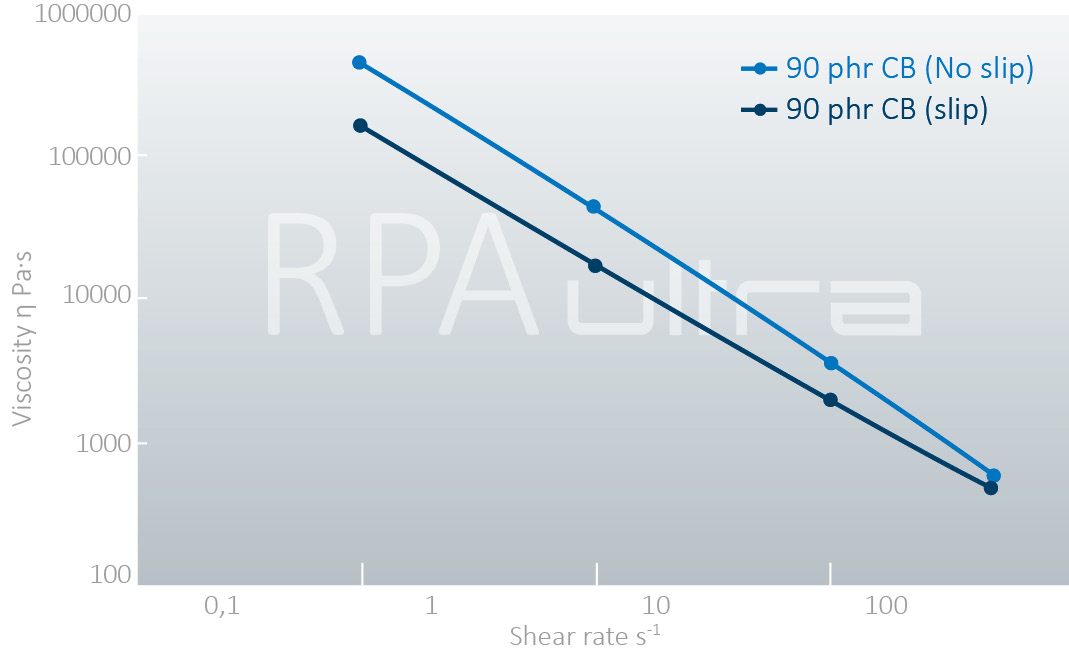
By replacing the standard upper test die with a polished die set that mirrors extruder wall surface roughness, our RPA enables precise simulation of actual production conditions. This wall-slip measurement capability allows researchers to investigate material behavior more accurately.
Intuitive software simplifies complex testing procedures, allowing researchers to focus on analysis rather than instrument operation. Streamline your workflow and increase productivity.
Say goodbye to stationary limitations. As the world’s first floor-standing model with built-in rollers, the RPA ultra brings flexibility to your fingertips. Effortlessly glide it across your lab or to different testing sites.
Experience testing that mirrors reality. Designed for extrusion-relevant shear rates, the RPA ultra simulates actual processing conditions, bridging the gap between lab results and production outcomes.
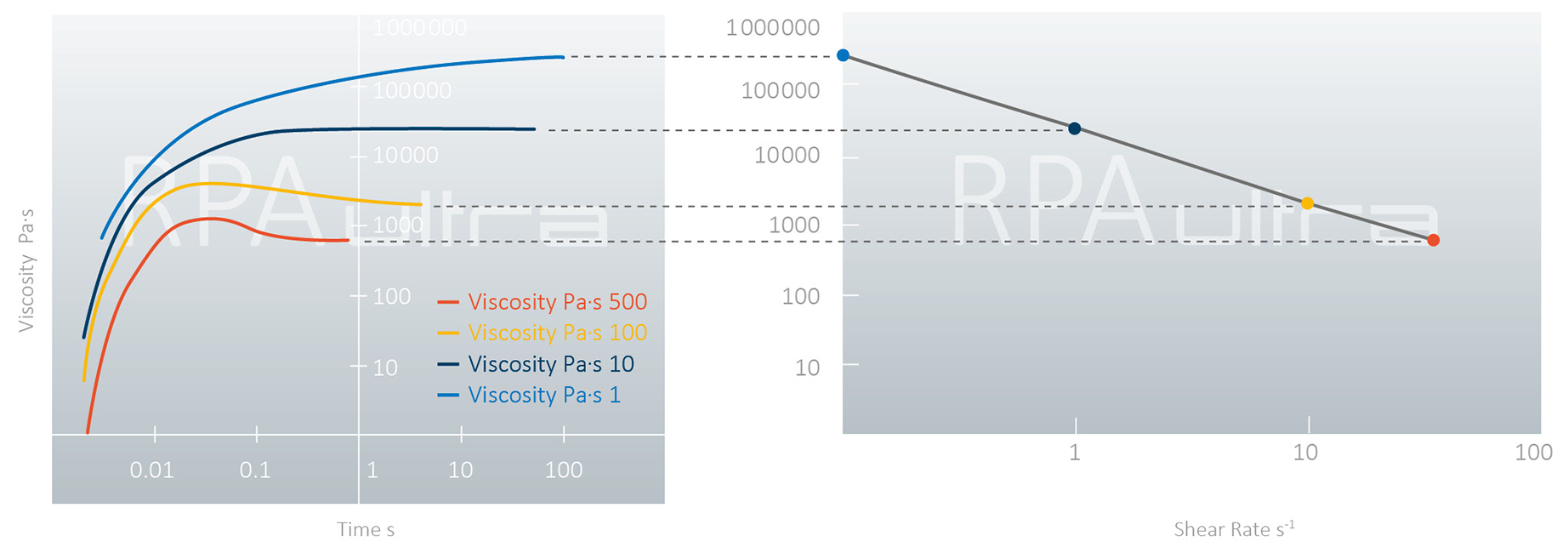
To better understand the manufacturing process of an unvulcanized rubber compound, the steady shear viscosity is one of the most important properties, especially crucial for determining the process parameters for extrusion and injection molding purposes.
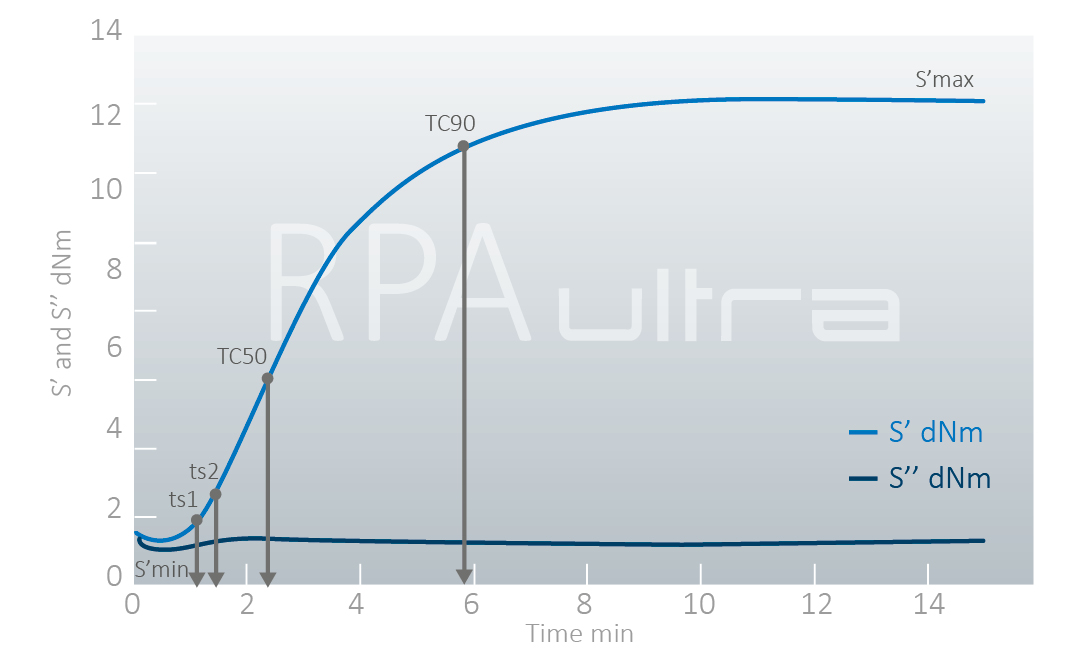
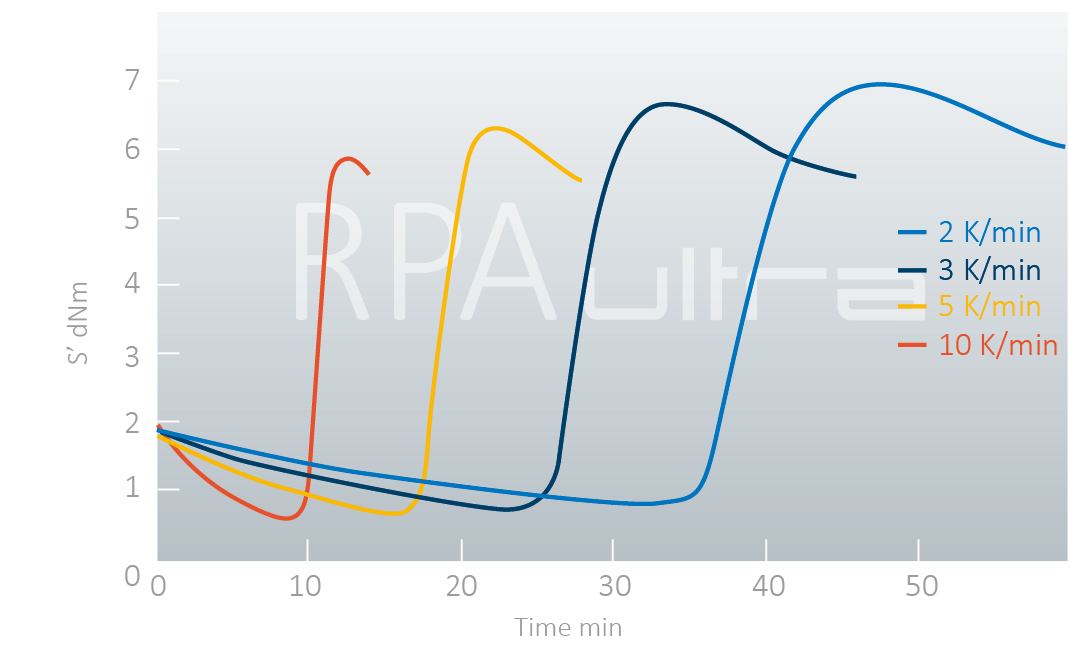
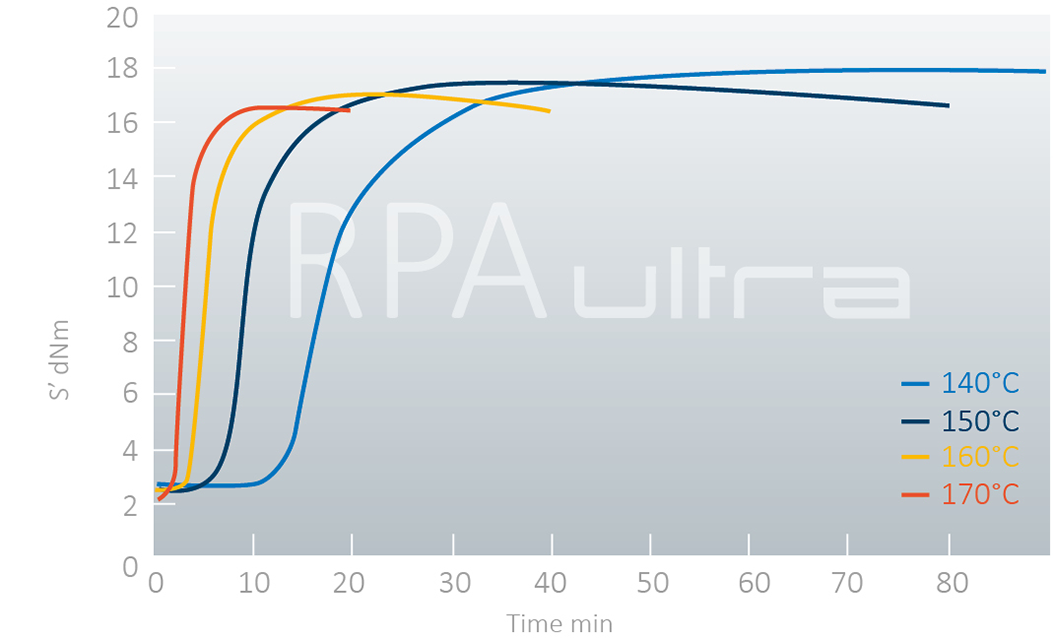
A significant challenge in the processing of rubber compounds is the issue of Wall Slip. This is a rheological phenomenon where slippage occurs, for example, between the extruder wall and the flowing material. One of the most common and important tests performed on rubber compounds are the isothermal cure tests.All important test parameters such as maximum and minimum torque, TC values, reaction time and rate, etc. are determined and made available to the user in tabular and/or graphical form for further analysis in the BareissOne software. In order to evaluate the behavior of a sample over a wide temperature range, non-isothermal measurements (temperature sweep) are typically performed at different heating rates. This measurement at different heating rates also paves the way for non-isothermal kinetic calculations – a module that is also integrated into the BareissOne software.
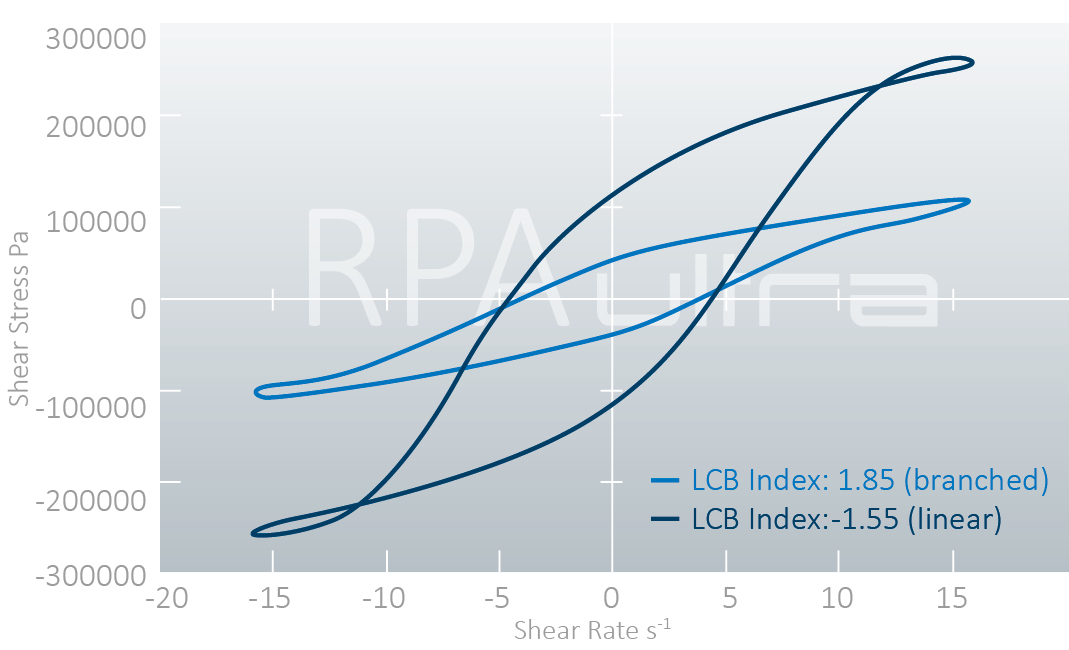
LAOS is essentially a strain sweep performed at relatively large amplitudes to investigate and evaluate the nonlinear viscoelastic behavior of a sample. The nonlinear behavior of a material is based on its polymer architecture > linear or branched polymer. From an isothermal test, values such as incubation time, reaction order and conversion rate constant can be determined for each temperature. The calculation is according to the
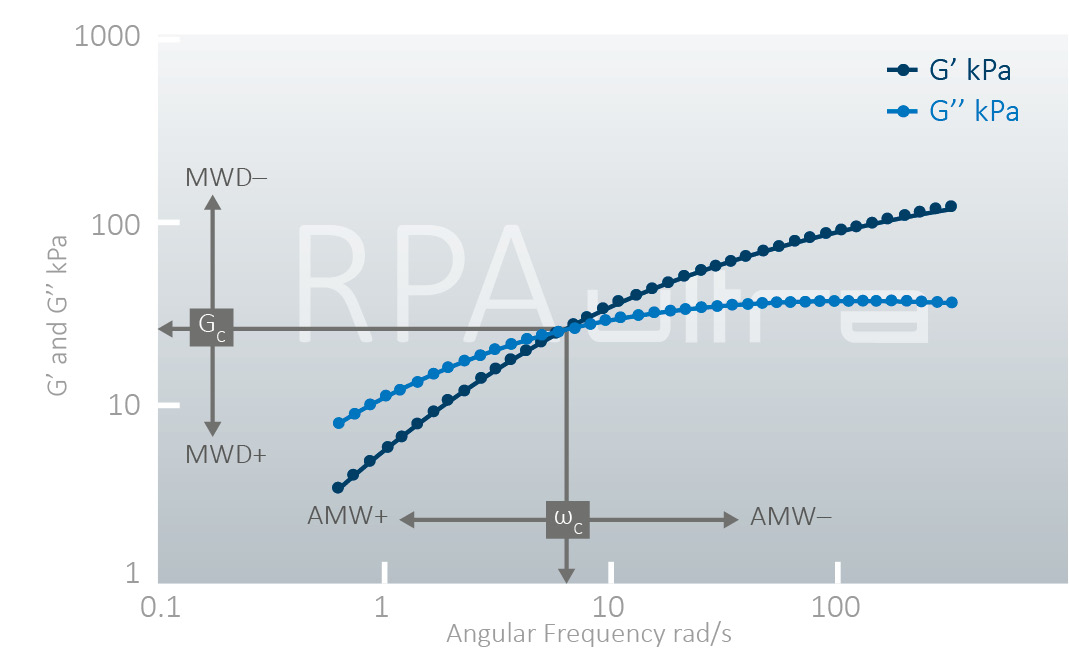
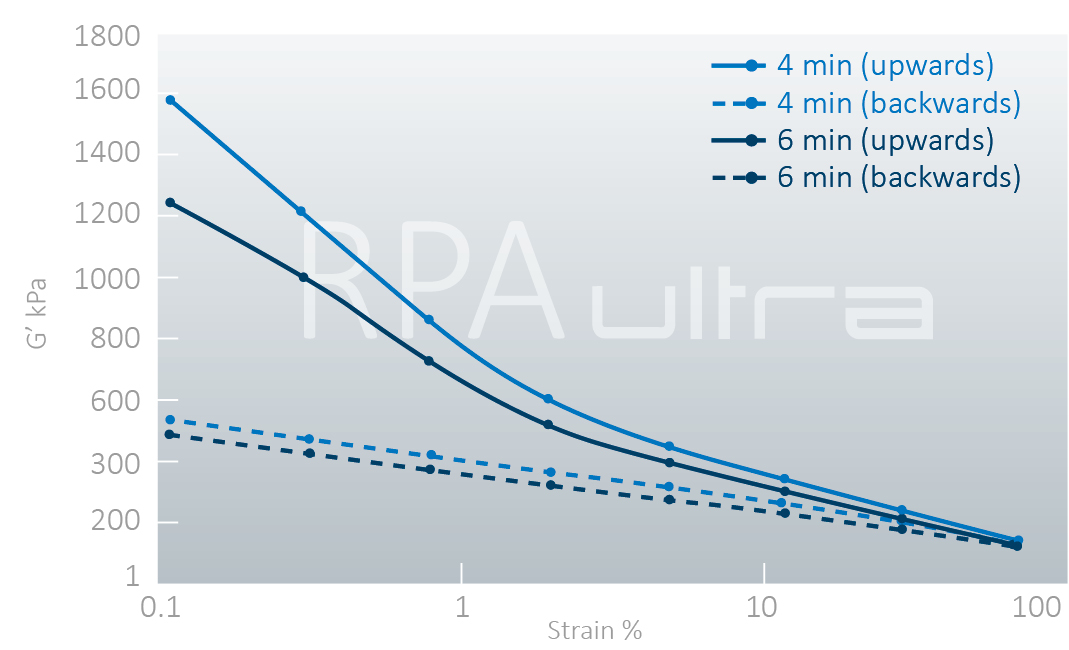
By characterizing a sample over a wide range of frequencies, the user obtains a comprehensive overview of the viscoelastic behavior as well as the molecular structure (molecular weight and molecular weight distribution). Viscoelastic properties such as complex modulus, elastic modulus, loss modulus, complex viscosity, phase angle, etc. are calculated at each frequency as a result of the frequency-dependent behavior of the sample. Measuring a specimen over a wide strain range shows the strain-dependent behavior, e.g., the linear viscoelastic range (LVE) up to Large Amplitude Oscillatory Shear (LAOS). The Payne test, which is performed at small strain amplitudes to investigate the (filler/polymer) filler networks, reveals information about the filler content and the filler dispersion levels.
In the frequency and strain sweeps described above, one parameter (frequency or strain) is held constant while the other parameter (frequency or strain) is changed over a range. Matrix testing allows the user to change both parameters
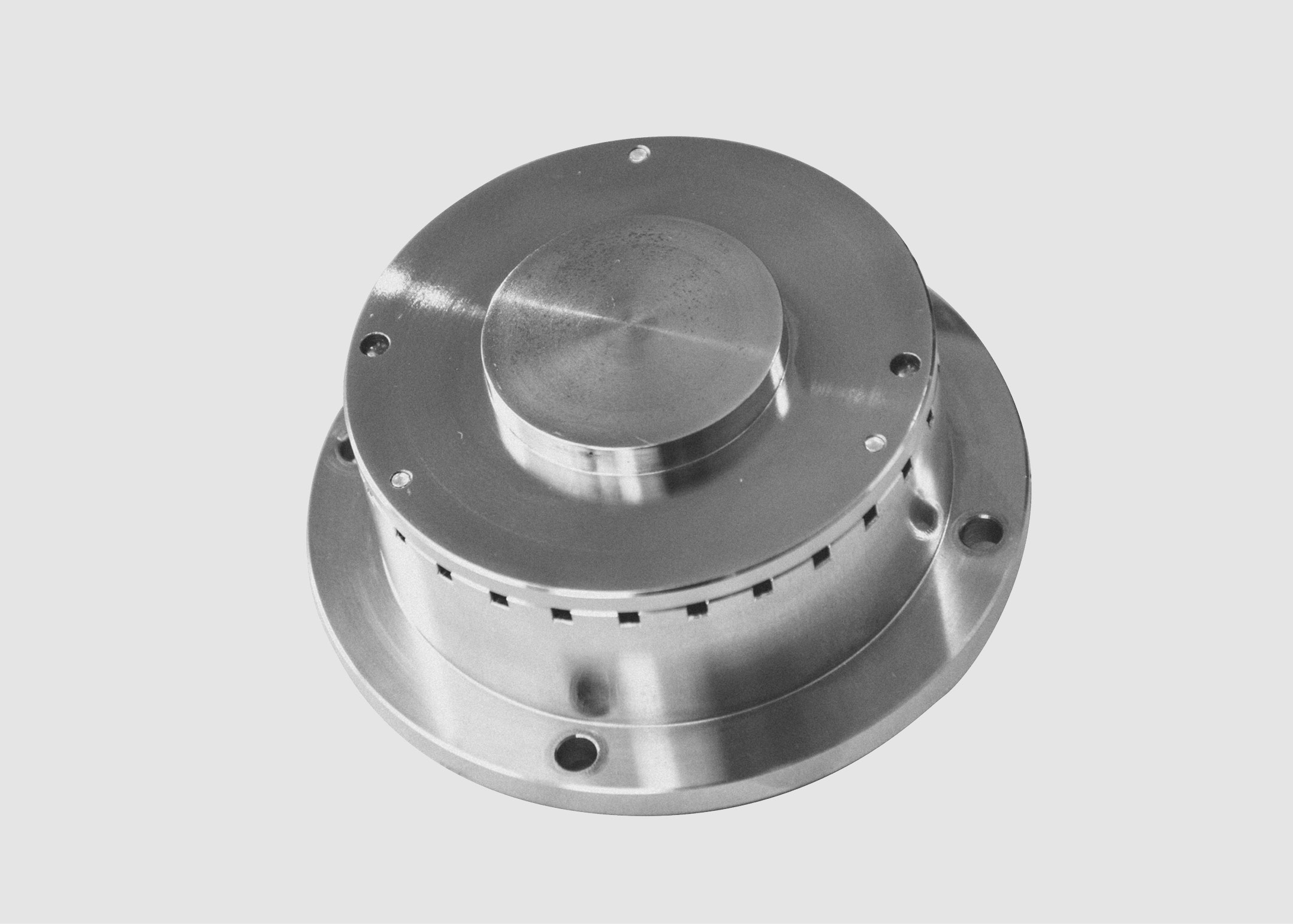
Wallslip die set
Reference samples
Torque Standard
Standards
Optional:
Measuring method
Optional:
Areas of application
Sample geometry
Sample shape/form: rubber sheet pucks, powder, pellets, gel/paste
Temperature
Temperature range: Ambient to 235°C
Technical data
Weight: approx. 420 kg
Max. shear rate in rotation: 500 s-1
Max. shear rate in oscillation: 100 s-1
Die config.: Sealed die, biconical and plate-plate
Drive system: High-dynamic servo motor, High-resolution measurement technology
Oscillation frequency: 0.001 to 100 Hz
Oscillation strain: +/- 0.001° to unlimited, +/- 0.014% to unlimited, > rotational
Measured data: Torque, temperature, frequency, strain; Optional: Normal force, die pressure
Die gap: 0.48 mm nominal
Sample volume: 4.5 cm3
Electrical: 400V/16A
Closing system: Soft closing to prevent foil rips and damage of test samples; optionally variable closing force.
Torque range: 0.001 to 250 dNm
Normal force / Pressure (opt.): up to 10 kN
Test modes: Isothermal, Non-Isothermal, Strain Sweep, Frequency Sweep, Steady Shear, Relaxation, LAOS, Matrix Test
Interface: Ethernet
Data points: Over 3500 data points available for each static subtest including S‘ Min, S‘ Max, TS 1, TS 2, TC 10, TC 30, TC 50, TC 90 Integrated, automatic reporting features for dynamic tests
Pneumatics: min. 6 Bar (11.5 kN) / 60 psi
Interface
Electrical connection:
Pneumatic connection:
Extraction connection:
DAkkS accredited Service
DAkkS Accredited Service:
DAkkS-accredited laboratory since 1996:
Calibration reminders :
Service packages:
Hardware
PC Hardware Requirements:
Product information
Key Features
– Precise tempereature control
– User-friendly BareissOne software interface
– Upgradeable platform for future expansion
The RPA select is designed with future growth in mind. As your testing needs evolve, easily upgrade to the advanced RPA ultra, which includes the innovative rotating lower die for extended testing capabilities and even more precise simulation of real-world processing conditions.
Key Features

High sampling rate for improved Fourier Transform (FT) Rheology
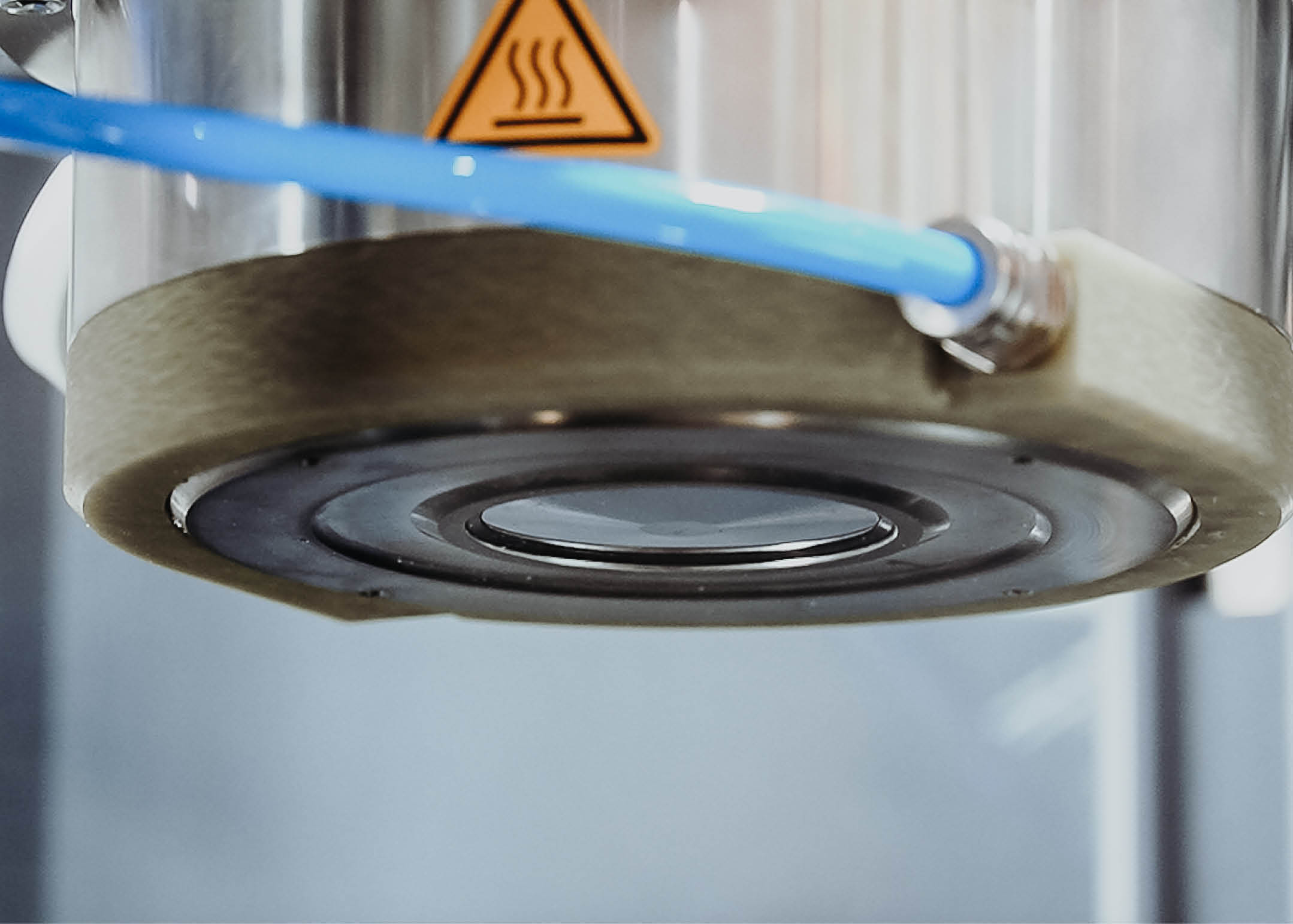
Production-Level insights with Wall-Slip Analysis
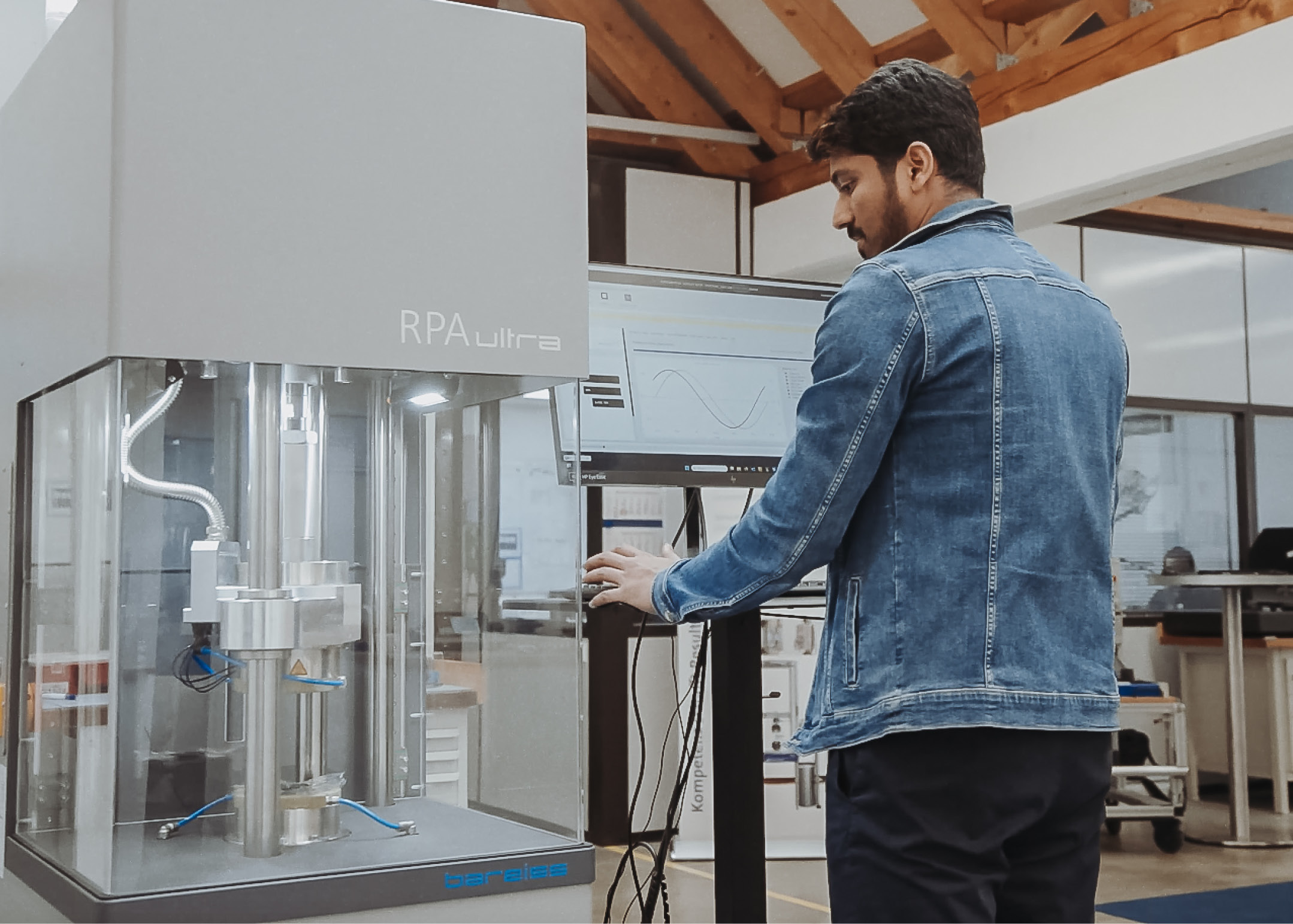
Compatible with BareissOne – the software platform for your measurement data
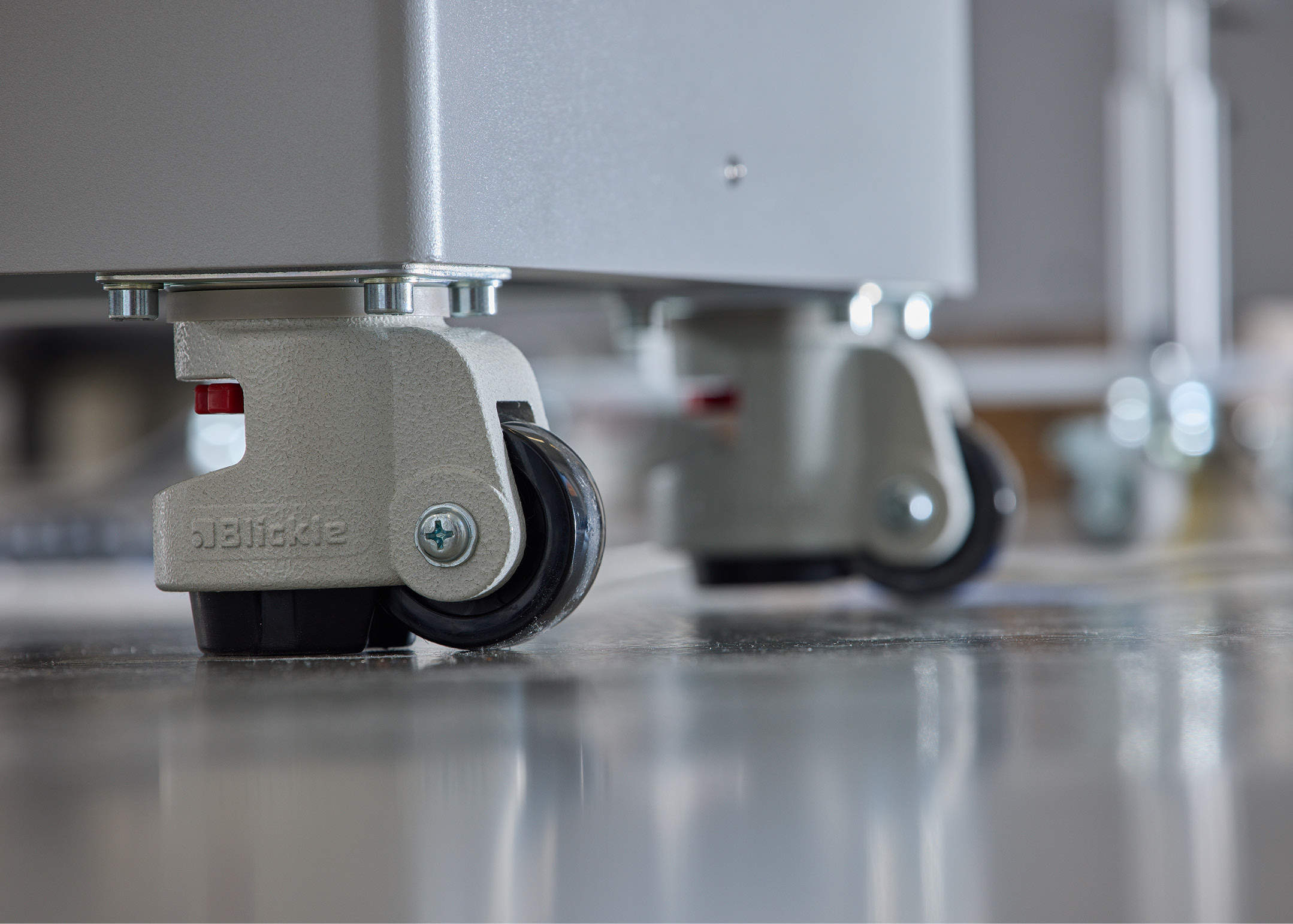
World’s first floor standing model
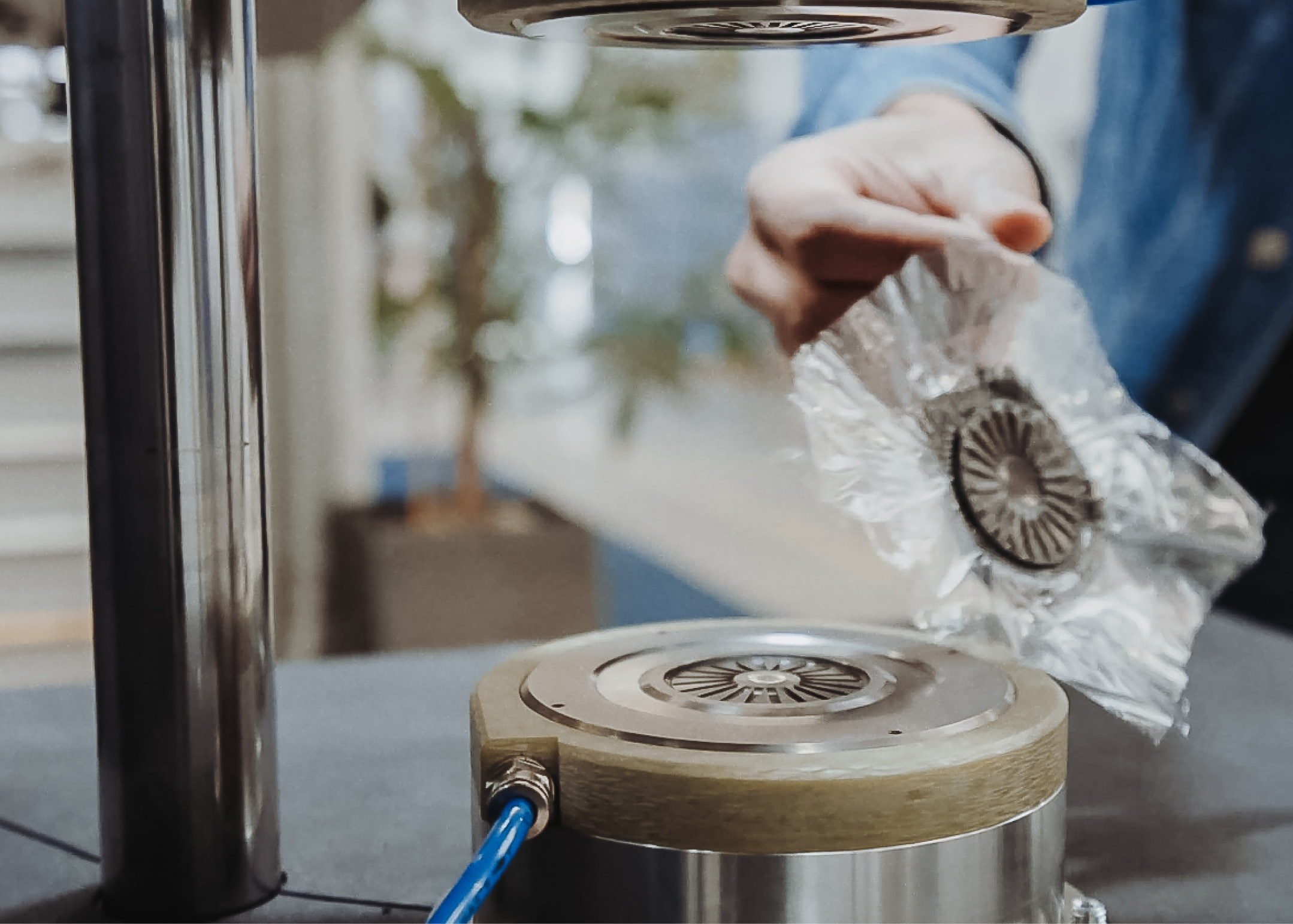
Optional:
Fully rotational lower die for process relevant simulation
Measuring Methods
Steady Shear Viscosity
The RPA ultra’s rotating lower die with unlimited strain thus provides the user with a dual test mode: dynamic and steady shear.
Wall Slip
We offer an optional solution where the upper die is replaced by a defined polished die set. In combination with a programmable internal pressure, this allows Wall Slip experiments to be carried out.
Isothermal Test
Non-Isothermal Test
Large Amplitude Oscillatory Shear (LAOS)
The LAOS results are also used for FT- Rheology. The calculation of the LCB index (Long Chain Branching) or the Q-parameter is performed using the harmonic spectrum from Fourier analysis (FFT).
Kinetics
DIN 53529 standard. With the help of the incubation time and the conversion rate constant at at least 3 different temperatures, the activation energies of the incubation and the conversion can also be determined. These are essential parameters for the computation of the heating time for the test specimen and also finds its use in production line.
Frequency Sweep
Strain Sweep
Matrix test
– frequency and strain – during a sweep, making the test method more flexible and thus providing more information with a single measurement.

How it Works

with certificate (Butyl, HDPE)
with calibration certificate