Pharmaceutical companies, contract manufacturing organizations, and quality control laboratories in Mexico depend on accurate testing equipment to deliver quality products. The tablet hardness tester Mexico is one of the most important machines used to test the hardness of a tablet. The hardness of a tablet is determined by its breaking force. This is a vital test, and it is one of the most important quality control tests. For any company or organization operating in Mexico, a tablet hardness tester Mexico is a fundamental requirement in maintaining high production standards.
Product Overview:
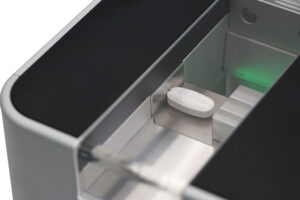
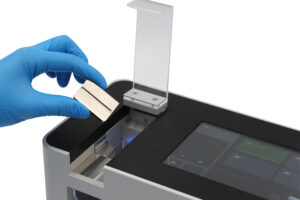
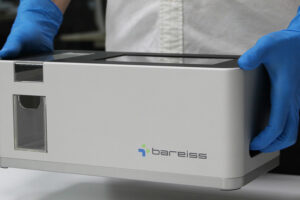
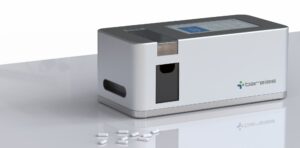
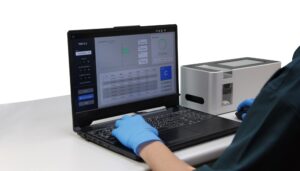
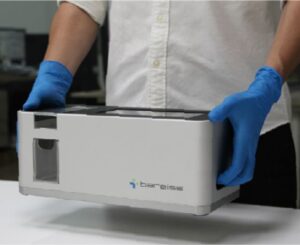
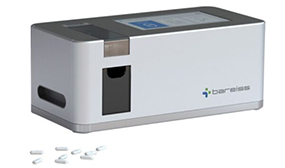
The THT500 Tablet Hardness Tester is a state-of-the-art tablet hardness tester Mexico, digital tablet hardness tester, and tablet breaking force measurement apparatus that offers unparalleled accuracy for tablet testing applications in the pharmaceutical industry. This laboratory tablet hardness tester is widely used in the quality control of pharmaceutical organizations. As a leading tablet hardness tester supplier Mexico, we provide our customers with tablet testing equipment that simplifies the process of testing the strength of tablets. The apparatus is fully compatible with some of the most critical pharmacopeia standards, including USP <1217> and EP 2.9.8, thus providing a guarantee that the results obtained will be recognized across the globe. For the dynamic pharmaceutical manufacturing companies Mexico hosts this THT500 hardness testing machine offers a reliable pharmaceutical hardness testing equipment Mexico solution for verifying tablet strength and maintaining strict regulatory compliance.
Introduction to Tablet Hardness Testing
In the pharmaceutical industry, tablets are made by compressing powder or granulated materials in a solid form. The process of hardness testing determines the mechanical strength of the compressed tablet, which gives a vital clue about the tablet’s durability. The mechanical strength of a tablet does not merely mean its durability; rather, it directly affects other important properties, such as the rate of dissolution and dosage stability. The connection between hardness, tablet durability and drug release behaviour is crucial to ensure the final product delivers the correct dosage consistently and safely to the patient. This is why tablet mechanical strength testing is an integral part of tablet manufacturing quality control.
What is a Tablet Hardness Tester
A tablet hardness tester is a special type of tablet hardness testing equipment. It is often employed in pharmaceutical laboratories for precise determination of the breaking force of tablets. It is a critical tool for both formulators and quality control analysts.
Factors Affecting Tablet Hardness
Several variables are known to affect the strength of the finished tablet, including:
- Compression pressure – increased pressure can produce harder tablets.
- Binder concentration – binder concentration is known to affect cohesiveness.
- Particle size of granules – a uniform size can produce harder tablets.
- Moisture content – incorrect moisture content can weaken the tablet.
Definition of Tablet Breaking Force
Tablet breaking force is the mechanical force required to fracture the compressed tablet, as measured by the tablet breaking force apparatus. The unit of measurement is the Newton (N). This gives us a quantified value of the mechanical strength of the compressed tablet.
Importance in Pharmaceutical Quality Control
Hardness testing is an essential, non-negotiable step in the quality control of any pharmaceutical product. It ensures the tablet’s durability during packaging and shipping, eliminating the possibility of the tablet breaking into pieces during shipping. It also ensures that the tablet contains the correct amount of active ingredient, guaranteeing that the tablet dissolves correctly in the body, allowing the active ingredient to be released.
Standard Hardness Range for Pharmaceutical Tablets
There is no specific value, but the typical hardness value of most pharmaceutical tablets is between 40 to 100 Newton (N) . The ideal standard hardness range for pharmaceutical tablets varies significantly depending on various factors. The ideal hardness value of the tablet depends on the composition of the formulation, the compression pressure, and the size of the tablet, among other factors. A well-defined hardness value is established during the formulation development phase.
Factors Affecting Tablet Hardness
The variables that affect the strength of a tablet are as follows:
- Compression pressure: It is assumed that increasing pressure will increase hardness.
- Binder concentration: The concentration of binder will affect cohesiveness.
- Particle size of granules: A uniform size of granules will increase hardness.
- Moisture content: The moisture content should be correct for increased hardness.
Units Used in Tablet Hardness Testing
Several units are used to report hardness values, though Newton is the modern standard.
Newton (N)
The SI standard unit of measurement for tablet breaking force is Newton. This also happens to be the most commonly used unit when using modern electronic tablets to measure their hardness.
Kilogram Force (kgf)
Older testing instruments sometimes use kgf. One kgf is approximately equal to 9.8 N.
Kilopond (kp)
The Kilopond, or 1 kgf, has been used in the past as a unit of measure for tablet hardness; however, its use is very uncommon today because most of today’s hardness-measuring devices do not use such older measurements as KGF
How a Tablet Hardness Tester Works
In order for the tablet hardness testing machine to accurately measure the breaking points of tablets, an automated method of applying pressure until the breaking point occurs is used.
Tablet Placement
The operator places a single tablet sample on a designated platform or between a fixed jaw and a moving jaw.
Force Application
The hardness-testing instrument then begins a slow (controlled) mechanical compression of the tablet as it places an increasing amount of pressure onto the tablet via the movement of the moving jaw towards the fixed jaw until the tablet reaches its breaking point.
Breaking Force Detection
The applied force will be continuously monitored with a load cell that measures the applied load to see if there is a fracture in the tablet. The device will immediately give a recorded value of the maximum loading force before fracture.
Digital Data Recording
The results from the testing will be displayed electronically and stored in the memory of the load cell. This digital record and storage of data provide ease of recording, reporting, and performing batch analysis.
Why Tablet Hardness Testing Is Important in Pharmaceutical Manufacturing
Tablet hardness testing is a crucial step for guaranteeing the mechanical strength of the tablet over the entire lifecycle. This is a direct correlation to the tablet’s durability during packaging and transportation, reducing the loss of products. Moreover, this is a crucial step for guaranteeing the tablet’s performance in dissolving the drug ingredient. By confirming the consistency of the drug batch, this step is a vital component for a strong pharmaceutical quality control system. A reliable tablet mechanical strength tester is a crucial component for a modern drug production environment.
Pharmaceutical Industry in Mexico
Mexico has one of the largest and most distinguished pharmaceutical markets in Latin America. Moreover, the key markets for the pharmaceutical industry are located across the nation. The Mexico City pharmaceutical market, the Guadalajara pharmaceutical manufacturing market, the Monterrey pharmaceutical production market, and the Querétaro biotechnology and pharmaceutical research market are the main components of the Mexico pharmaceutical industry. In this regard, the pharmaceutical market in Mexico is comprised of various drug manufacturers, CMOs, Mexico biotechnology companies, and research laboratories rely on advanced equipment to perform tablet formulation testing and maintain rigorous production quality control.
Applications of Tablet Hardness Testing in Mexico
Tablet hardness testing machine Mexico are used throughout many areas of the life sciences.
Pharmaceutical Manufacturing
Tablet hardness testing machines are used for the testing of tablets before quality control laboratory testing and as an additional verification of compliance with pharmaceutical regulations within quality control laboratories in Mexico.
Research and Development Laboratories
Critical for formulation development and stability testing during the early stages of drug creation.
Quality Control Laboratories
Tablet hardness testing machines are used for the testing and regulatory verification of pharmaceutical quality control laboratories Mexico.
Nutraceutical Manufacturing
Also used for testing the mechanical strength of dietary supplement tablets, ensuring product quality in the growing nutraceutical sector.
Key Features of the THT500 Tablet Hardness Tester
The THT500 is designed as a comprehensive tablet mechanical strength testing device for contemporary pharmaceutical laboratories.
High-Precision Breaking Force Measurement
Equipped with a highly sensitive load cell for accurate, repeatable results.
Multi-Parameter Tablet Measurement
This high-tech tablet hardness testing instrument measures not only the hardness of a tablet, but also the tablet’s diameter and thickness in a single test cycle, thereby offering a complete physical tablet profile.
Testing Workflow
This equipment offers a complete testing process, thereby facilitating a set testing protocol with minimal human interference.
Digital Data Management
This equipment offers a comprehensive software facility for the complete digital management of results, reports, and export for traceability purposes.
Technical Specifications of the THT500
The table below illustrates the technical specifications of the instrument, which gives a detailed description of the capabilities of the high precision tablet hardness tester.
| Specification |
Detail |
| Force Range |
Up to 500 N |
| Measurement Accuracy |
± 1% of reading |
| Force Resolution |
0.1 N |
| Tablet Diameter Range |
3–30 mm |
| Tablet Thickness Range |
2–25 mm |
| Test Speed |
Adjustable, typical 10 mm/min |
| Connectivity |
USB, RS232 |
| Dimensions (W x D x H) |
300 x 350 x 200 mm (approx.) |
| Weight |
10kg (approx.) |
Factors That Affect Tablet Hardness During Compression
Manufacturing factors that affect the strength of tablets include the pressure applied during compression, which is usually directly proportional to the hardness of the tablets. The concentration of the binder is also a factor, as the binder increases the cohesiveness of particles. The particle size of the granules also affects the uniformity of the compressed tablets. The amount of lubricant used also affects the tablets, as excessive lubricant reduces the hardness of the tablets. The moisture content of the granules, which acts as a binder, affects the tablets.
Tablet Hardness Tester vs Other Tablet Testing Equipment
While the tablet hardness tester focuses on breaking force, other equipment serves complementary roles.
Hardness Tester vs Friability Tester
A friability tester measures abrasion resistance, determining if tablets will chip or powder during handling. This is known as tablet friability testing. Hardness tests the strength to break, while friability tests resistance to surface wear.
Hardness Tester vs Dissolution Tester
A dissolution tester is a device used to assess the rate at which a drug is released from a tablet form in a liquid environment. This is referred to as tablet dissolution testing. While a hardness tester guarantees the tablet’s strength to withstand the tablet-making process, a dissolution tester guarantees the tablet’s ability to effectively release the drug in the body.
Pharmaceutical Testing Equipment Used in Mexico Laboratories
Modern pharmaceutical laboratory testing equipment goes beyond hardness testers. Laboratories utilize friability testers to assess abrasion resistance, dissolution testers to measure drug release profiles, and tablet disintegration testers to ensure tablets break down appropriately. A process known as tablet disintegration testing. Together with tablet compression testing equipment like the THT500, these instruments form a comprehensive quality assurance suite used by the Mexico life sciences sector. Our complete line of pharmaceutical tablet testing equipment supports all these critical applications.
Pharmaceutical Testing Standards
Adhering to global standards is mandatory for pharmaceutical quality control. Tablet hardness testing is subject to various pharmacopeias. The United States Pharmacopeia <1217> specifies tablet breaking force. Likewise, European Pharmacopoeia 2.9.8 specifies the standard method for tablet hardness testing. Japan also follows these guidelines. Thus, these regulatory compliance requirements need to be satisfied for pharmaceutical products.
Common Tablet Manufacturing Problems Detected by Hardness Testing
The hardness test is an effective diagnostic method for detecting manufacturing-related problems. It detects soft tablets that may break during coating. It may also detect over-compressed tablets with potential for poor dissolution. It detects variations in tablet hardness within a tablet formulation. This indicates potential problems with the tablet compression machine and/or granule uniformity. This is an important factor for quality control in pharmaceutical manufacturing.
How to Choose a Tablet Hardness Tester
Choosing the tablet hardness tester for pharmaceutical laboratories Mexico involves several considerations. The foremost factor to be considered is measurement accuracy. Then there is automation potential to be considered. Next is pharmacopeia compliance. Another important factor is data management capabilities. Finally, there is laboratory throughput potential to be considered. As a tablet hardness tester supplier Mexico, we help you select the tablet hardness tester for pharmaceutical laboratories with our expertise.
Frequently Asked Questions
What hardness should a pharmaceutical tablet have?
There isn’t a set value, as this can vary depending on the formulation, though many fall within a standard range for tablet hardness, which is 40-100 N for pharmaceutical tablets.
How does a tablet hardness tester work?
It works by applying a set force, which increases in a controlled manner, to a tablet until the tablet fractures. This force is then measured at the breaking point. Likewise, this explains how tablet hardness testing works in a precise manner.
What unit measures tablet hardness?
The standard unit used for tablet hardness testing is the Newton (N). Older units used for tablet hardness testing are the Kilogram Force (kgf) and the Kilopond (kp).
Why is tablet hardness testing important?
Tablet hardness testing ensures that a tablet can withstand the rigors of packaging, shipping, and handling, as well as offering a key test for batch-to-batch variations and predicting tablet dissolution performance. This tablet mechanical testing for tablet hardness is a key factor in quality assurance.
What industries in Mexico use hardness testers?
Pharmaceuticals in Mexico, as well as manufacturers, CMOs, Mexico biotechnology companies, and quality control labs, are the key industries that use tablet hardness testing equipment. The nutraceuticals industry also uses these machines for quality assurance purposes.
Request a Quote for the THT500 Tablet Hardness Tester in Mexico
Upgrade your lab with the precision and reliability of the THT500, a tablet hardness testing device and tablet compression strength tester Mexico facilities trust. The best solution for testing the mechanical strength of your product is here. We welcome pharmaceutical companies, research labs, and quality control labs across Mexico to ask for a quote for more product information, a technical consultation, or even a product demo. We are here to provide you with price information and discuss how we can improve your pharmaceutical quality control testing procedures. As your tablet breaking force tester Mexico and tablet strength testing machine Mexico partner, we are here for you.