Tom Rhodes">
Limited time offer 10% OFF on all products with code Save10!
Testing Solutions Since 1954

Tablet Hardness Tester for Pharmaceutical Laboratories in Florida

Across the state of Florida, pharmaceutical companies, contract manufacturing companies, and quality control laboratories use the tablet hardness tester Florida to measure the physical properties of tablets during formulation development and manufacturing quality assurance. These systems provide data on the breaking force of solid dosage forms, thereby providing scientific measurements to confirm that the tablets endure the mechanical forces of packaging, shipping, and handling while sti providing a consistent release profile of the active ingredient.

THT500 - Reddot Winner 2024

Product Overview:

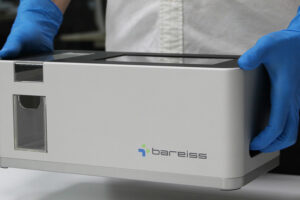
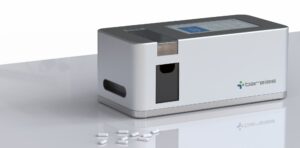
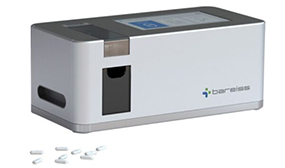
The THT500 Tablet Hardness Test Instrument is a device that measures the breaking force of tablets as required by quality control laboratories within the pharmaceutical industry. It provides tablets’ mechanical strength to be measured on a continuum of 3 – 500 N (Newtons) and also records the diameter and thickness of the tested tablets at the same time. This tablet hardness tester equipment also meets the United States Pharmacopeia <1217> and European Pharmacopoeia 2.9.8 standards for measuring the breaking force of a tablet. This tablet hardness tester is used by pharmaceutical laboratories and drug manufacturers located in Florida to evaluate the mechanical strength of tablets as part of the manufacturing process and for regulatory quality control testing.

Introduction to Tablet Hardness Testing:

How Tablet hardness testing works is a fundamental aspect of quality assurance. Tablets are created through compaction of powders or granules at high pressures to produce cohesive matrices. The hardness of the tablet is determined by measuring the force needed to break the tablet. Determining the importance of tablet hardness testing on how long it takes to dissolve the medication once ingested, as excessive hardness may prolong release, while insufficient hardness can lead to premature tablet disintegration. Therefore, optimising the relationship between tablet hardness, durability, and release of the medication must be a priority during the development of the formulation. Hardness values also give some indirect information regarding the tablet’s porosity, how the ingredients bond together and how the ingredients compress together during the manufacturing process, all of which have a major effect on the overall

What is a Tablet Hardness Tester?

Definition of Tablet Breaking Force:

One way to understand what is a tablet hardness tester, is to look at the definition of tablet breaking force. This is defined as the amount of mechanical force required to break a compressed tablet when it is subjected to certain conditions. The breaking force of a tablet is measured by placing a compressive force through the middle of the tablet until it breaks; the breaking force, in Newtons, is the result of this measurement. The measurement of breaking force is standardized so that when tested using different instruments and labs, results be reproducible.

Importance of Pharmaceutical Quality Control:

Tablet hardness testing is of utmost importance in quality control. By testing the hardness of tablets, it can be determined whether or not the tablets wi remain durable throughout packaging and transportation operations, where mechanical stresses could lead to chipping of the tablet or breaking of the tablet. Tablets must maintain a structural integrity throughout their shelf life in order to provide a consistent dosage to the patient, and the correct tablet dissolution performance is dependent on the proper tablet compression testing and strength. Hardness affects the disintegration time of the tablet and how long it takes for the drug to be released from the tablet.


Standard Hardness Range for Pharmaceutical Tablets

The standard range for pharmaceutical tablets for conventional immediate release tablets ranges from 40 to 100 newtons. The actual acceptable hardness can vary significantly based on a number of factors, including the formulation design, the amount of compression, the size and thickness of the tablet, and other parameters. Chewable tablets must require a lower hardness for patient comfort, however, modified-release formulations may have

Factors Affecting Tablet Hardness

Factors affecting tablet hardness during compression include compression pressure, which directly influences final tablet strength, with high power harder tablets by tablet compression strength testing. Binder concentration plays a vital role in particle bonding within the tablet matrix. Granule the plasticity and mechanical properties of the final tablet and must therefore be monitored as part of the tablet formulation testing process by a tablet compression testing instrument.

Units Used in Tablet Hardness Testing

The units used in tablet hardness testing are regulated across the industry.

Newton

In modern pharmaceutical testing, Newton is the standard measurement unit for tablet hardness measurement. It portrays the force required to accelerate one kilogram at one meter per second squared.

Kilogram Force

Older testing equipment may exhibit results in kilogram force, where one kgf equals approximately 9.81 Newton. Some laboratories maintain dual-unit reporting for legacy data equivalence when using an older tablet hardness testing device.

Kilopond

The kilopond is a historical measurement unit referenced in earlier hardness testers, equivalent to kilogram force. Modern pharmacopeias specify Newton as the preferred unit for breaking force measurement.

The kilopond (kp) was the traditional unit of measurement used for hardness testing, as it was equivalent to the force produced by one kg of mass. However, current compendiums within the pharmaceutical industry use newtons (N) as the preferred unit for measuring breaking force

How a Tablet Hardness Tester Works

Tablet Testing Instruments

Tablet Placement

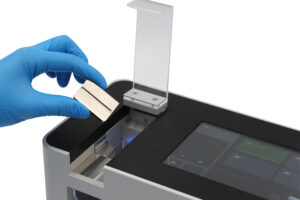
When measuring tablet hardness with a tablet hardness tester, the tablet is supported by the test apparatus’s two platens in a consistent orientation based on the geometry of the tablet shape. Round tablets usuay sit flat on one of their flat sides (the same as they would normay be consumed), while capsules are placed either flat in their long dimension or flat in their short dimension.

Pharma Lab Tablet Testing

Force Application

To apply a controed force to each tablet, the jaws of the testing apparatus move toward (the closest point between) each other, which produces the diametrical compression of the tablet. This mechanism is common among tablet hardness tester devices.

Breaking Force Detection

During the duration of the event, a load ce measures the amount of force applied to the tablet. When the tensile strength of the tablet is exceeded, the internal forces in the tablet exceed the tablet’s tensile strength and the load on the load ce drops suddenly. The hardness tester records the maximum applied load to the load ce immediately before the fracture occurs in the pharmaceutical hardness tester.

Tablets around Tablet Hardness Tester

Digital Data Recording

The latest generation of the digital tablet hardness tester records and digitay displays the breaking force measurement and associated data for the tablets tested. The tablets tested are also identified with the related metadata ( tablet size, test conditions, etc.), and data can be exported to aow for proper quality assurance (QA) records and use with statistical process control (SPC) procedures and tablet strength analysis.

Why Tablet Hardness Testing Is Important in Pharmaceutical Manufacturing

The mechanical properties of tablets must be preserved throughout the processes of manufacturing, packaging, and distribution. Hardness that is too high can adversely affect the dissolution characteristics of a tablet, while hardness that is too low can result in a tablet becoming damaged during the coating process or while in the package. In order for a batch to be consistent, the hardness of tablets needs to be routinely monitored to detect potential variances in the quality of raw materials or variations caused by the performance of the compression machine. Hardness testing also supports tablet manufacturing quality control to furnish immediate feedback for the compression parameters that need to be adjusted in order to support the final release decisions. This exemplifies a critical aspect of tablet hardness testing in pharmaceutical manufacturing.

Pharmaceutical Industry in Florida

There are a multitude of pharmaceutical manufacturing sites throughout Florida. The Miami, Florida life sciences sector includes an area that contains contract manufacturing companies and research laboratories that support the development of new pharmaceutical products. Tampa pharmaceutical manufacturing companies Florida, are producing solid oral dosage forms for sale in the commercial marketplace. The Orlando area has several research institutions that are developing formulation processes that require hardness testing support. The healthcare manufacturing industry in has manufacturers that produce nutraceutical products as we as pharmaceutical packaging services. The Florida pharmaceutical industry has a wide variety of pharmaceutical research laboratories Florida and Florida biotechnology companies that require testing equipment. These organizations conduct their hardness testing of tablets during the manufacturing process and during the formulation stage, and they rely on having high-quality and dependable test instrumentation and backup support from an established and reputable tablet hardness tester supplier Florida.

Applications of Tablet Hardness Testing in Florida

Tablet Testing Instruments

Pharmaceutical Manufacturing

Manufacturing operations utilize tablet hardness compression testing when performing an in-process quality control program to monitor the compressive strength of tablets during the compression runs to ensure they meet the specifications established for that product. This is the most common application for pharmaceutical hardness testing equipment Florida.

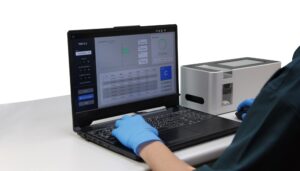
THT500 - Software on Laptop

Research and Development Laboratories

Formulation scientists evaluate experimental tablet formulations with tablet hardness testing equipment, also studying compression characteristics and stability profiles with a laboratory tablet hardness tester.

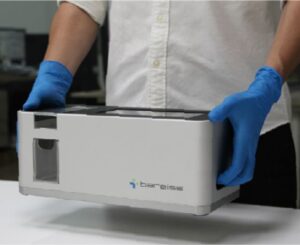
Ergonomic and Portable

Quality Control Laboratories

Both independent and company-owned pharmaceutical quality control laboratories Florida perform the verification testing of the batch created for regulatory submissions and product release decisions, this test using Dolomite hardness testers.

Pharma Lab Tablet Testing

Nutraceutical Manufacturing

The DiMiT suppliers (dietary supplement manufacturers) use similar methods to test the integrity of tablets containing vitamin and mineral ingredients, using a tablet strength testing machine Florida.

Key Features of the THT500 Tablet Hardness Tester

High-Precision Breaking Force Measurement

The THT500 tablet hardness tester, known as a high precision tablet hardness tester, or tablet hardness testing instrument that measures breaking force with ±1 Newton accuracy across a 3–500 Newton range, accommodating most pharmaceutical tablet formulations. It serves as an tablet mechanical strength tester for demanding applications.

Multi-Parameter Tablet Measurement

This tablet mechanical strength testing device concurrently measures hardness, tablet diameter, and thickness, providing a comprehensive dimensional representation.

Testing Workflow

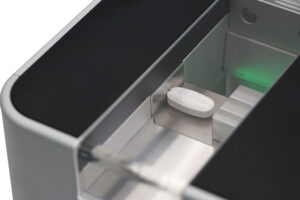
This hardness test machine utilizes programmable speed and force increment functions to achieve identical test conditions by multiple operators across multiple shifts with ease. You can see through the transparent safety cover into the machine as testing occurs.

Digital Data Management

Celeste software supports a complete solution for data, analysis and reporting in accordance with 21CFR Part 11 regulatory requirements. This means that your company be able to maintain electronic records and signatures for your pharmaceutical tablet testing equipment, as we as tablet breaking force measuring instrument or tablet fracture force measurement devices.

Technical Specifications of the THT500

The table summarizes the THT500 hardness testing machine specifications for laboratory evaluation.

Specification Detail
Force Range 3-500 N
Measurement Accuracy ±1N
Force Resolution 0.1 N
Diameter/Length/Width Range 1-36 mm
Thickness Range 1-36 mm
Test Speed (Constant Speed) 0.01-3mm (Programmable)
Force Increment (Constant Force) 10–200 N/sec (programmable)
Connectivity 2X USB 2.0
Dimensions (W x D x H) LWH 320 x 155 x 130 mm
Weight approx. 9.5 kg

Factors That Affect Tablet Hardness During Compression

Compression pressure has a significant impact on tablet hardness (i.e., tablet density and interparticulate adhesion strength). The amount of binder present determines the degree of solid bridge formation during compression. Granule particle size has an impact on the density of packing and surface area available for adhesion. Excessive levels of lubricant may adversely affect particle adhesion. Water content affects plasticity and recovery of the powder from plastic deformation after compression. A of these parameters must be for a consistent mechanical strength to be measured from batch to batch of tablets produced for tablet strength measurement.

Tablet Hardness Tester vs Other Tablet Testing Equipment

Hardness Tester vs Friability Tester

The ability to withstand a singular compressive force is defined by the hardness test, while the tablet friability testing measures an item’s ability to resist wear or damage during a tumbling process. The information gained from both tests complements one another in estimating the mechanical integrity of a tablet as part of an exhaustive evaluation.

Hardness Tester vs Dissolution Tester

Tablet Dissolution testing measures how quickly a drug is released from a tablet or capsule under standardized fluid conditions, while the hardness test measures how strong a tablet or capsule is. The physical strength of a tablet or capsule affects how quickly it dissolves in fluids. These two tests are interdependent and must be done together to evaluate the quality of the complete product in conjunction with tablet disintegration testing

Pharmaceutical Testing Equipment Used in Florida Laboratories

Quality control (QC) laboratories maintain complementary pharmaceutical laboratory testing equipment to evaluate the quality of tablets. Pharmaceutical QC laboratories use tablet hardness testers to measure a tablet’s breaking force; they use friability testers to evaluate a tablet’s wear-resistance during handling, they use dissolution testers to quantify a drug’s release profile, and they use disintegration testing equipment to quantify the amount of time it takes for tablets and capsules to disintegrate in an aqueous environment. The results obtained from each tablet hardness measurement instrument provide specific data necessary to support product quality documentation through the pharmaceutical quality control testing process.

Pharmaceutical Testing Standards

United States Pharmacopeia <1217> guides tablet breaking force measurement and indicates the need for standardization of test conditions and consistency in instrument qualification. The European Pharmacopoeia section 2.9.8 provides test method specifications for measuring tablet resistance to crushing and performing further tablet hardness analysis. The Japanese Pharmacopeia also contains hardness testing specifications comparable to these two regulatory documents for tablet testing machine. Regulatory compliance with these Pharmacopeial standards is required in both method development and the actual testing conducted on an ongoing basis with a tablet compression strength tester.

Common Tablet Manufacturing Problems Detected by Hardness Testing

Weak tablets may break during coating operations or blister packaging, resulting in both production losses and poor quality of the product in the tablet manufacturing process. In addition, a tablet that has been over-compressed may have a delayed dissolution rate with lower bioavailability. The hardness of a tablet is inconsistent, which indicates that there are variances due to either compression force, properties of granulation, or characteristics of the material used to manufacture the tablet. The ratio of active ingredients to excipients in a formulation wi affect the mechanical properties of a tablet. By performing routine hardness testing, the manufacturer can identify these types of problems before delivering an affected batch of product to a patient.

How to Choose a Tablet Hardness Tester

When deciding on a tablet hardness tester Florida Labs wi look for those testers that have suitable measurement accuracy for the product specifications. Automation features can affect both testing throughput and operator variability. Compliance with the Pharmacopoeia wi ensure that test results wi be accepted by regulatory agencies. Data management features wi assist with both electronic recordkeeping and audit trail requirements. Throughput needs for testing dictate whether a testing system is manual, semi-automatic, or automatic for the tablet mechanical strength testing.

Frequently Asked Questions

What hardness should a pharmaceutical tablet have?

Most conventional immediate-release tablets within 40–100 Newton, though acceptable ranges vary by formulation. Chewable tablets use lower hardness, while modified-release products may require higher values.

How does a tablet hardness tester work?

The instrument applies a compressive force across a tablet until fracture occurs. A load records the maximum force, which is reported as the breaking force or hardness value.

What unit measures tablet hardness?

Modern pharmaceutical testing uses Newton as the standard unit. Some equipment also displays kilogram force or historical units such as kilopond.

How many tablets are tested for hardness?

5 to 10 tablets are tested per batch or sample lot to obtain significant results, depending on pharmacopeial requirements and internal quality specifications.

Why is tablet hardness testing important?

Tablet hardness testing machine ensures tablets withstand packaging and transport without damage while maintaining appropriate dissolution characteristics. It provides critical quality data for batch consistency and regulatory compliance.

What is the tablet breaking force?

Tablet breaking force is the mechanical force required to fracture a compressed tablet under standardized test conditions, measured in Newtons during diametral compression.

What industries in Florida use hardness testers?

Pharmaceutical manufacturers, contract manufacturing organizations, biotechnology companies, nutraceutical producers, and research laboratories across Miami, Tampa, Orlando, and perform hardness testing.


0/5


(0 Reviews)

Request a Quote for the THT500 Tablet Hardness Tester in Florida

Pharmaceutical laboratories and manufacturing facilities seeking a tablet hardness tester supplier Florida may request product information, technical consultation, or equipment demonstration. Contact our technical sales team to discuss your requirements for a tablet hardness testing machine Florida, tablet hardness testing instrument Florida, or tablet compression strength tester Florida. We serve clients across the state requiring a tablet hardness tester Florida for their quality operations. Pricing details and configuration options are available upon request for the pharmaceutical tablet hardness tester Florida, and tablet breaking force tester Florida. Our team supports tablet hardness tester for pharmaceutical laboratories Florida applications in Miami, Tampa, and Orlando.

0/5 (0 Reviews)